
Catalytic activated carbon specifically designed for hydrogen sulfide (H₂S) removal
CS Corporation’s application-specific approach helps customers make better use of the carbon’s capacity and achieve efficient H₂S removal under their actual operating conditions.
Targeted hydrogen sulfide removal
- H₂S odor control
- Protection of downstream equipment from H₂S-related corrosion
- Cleaner biogas for energy recovery and upgrading
- Final polishing to help achieve the required outlet H₂S concentration
Our catalytic activated carbon is intended for use in carbon adsorption vessels and filtration systems. Depending on the application, it may serve as the main H₂S removal medium or as a polishing stage after biological treatment, chemical scrubbing, or iron-based media.
CS Corporation offers “catalytic” activated carbon, which delivers higher H₂S adsorption capacity than conventional impregnated activated carbon commonly available in the market.
Industry / Application
Where H₂S occurs
Why activated carbon is used
Biogas, Biomethane, and Renewable Natural Gas (RNG)
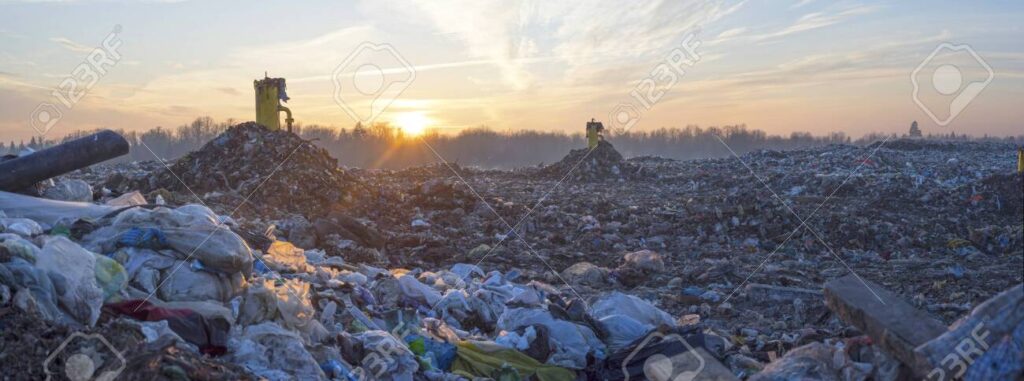
Landfill Gas Treatment
Gas generated by decomposing waste in landfills
To remove H₂S from collected landfill gas before electricity generation or upgrading to RNG
Municipal Wastewater Treatment and Sewer Systems
Odorous air from treatment plants, pumping stations, wet wells, headworks, and sludge-handling facilities
To control H₂S odors in collected air streams and help limit corrosion associated with H₂S
Agriculture and Livestock Waste Management
Manure digesters and agricultural biogas facilities
To treat H₂S-containing biogas and support reliable operation of downstream energy equipment
Food Processing and Organic Waste Treatment
Anaerobic wastewater treatment and digestion of food-processing residues or organic waste
Specialized H₂S Solutions
What hydrogen sulfide (H₂S) removal solution works best for you?
Our unique approach consists of four specialized solutions for H₂S removal, allowing CS Corporation to match our product to each of our customer’s operating conditions.
To accomplish this, we assess factors such as gas composition, H₂S concentration, oxygen content, humidity, temperature, gas flow rate, and the required outlet concentration before recommending the most suitable solution.