Strict regulations in the food and beverage sector emphasize protecting public health by requiring the thorough removal of harmful contaminants such as mycotoxins, pesticides, and processing residues. Activated carbon plays a crucial role in this purification process, effectively adsorbing these impurities while also enhancing the taste, aroma, and appearance of products. Its ability to improve sensory quality ensures that food and beverages meet both safety standards and consumer expectations. Additionally, activated carbon helps extend shelf life and maintain product consistency, making it an essential component in modern food and beverage manufacturing.
Sweeteners
Activated carbon is widely used in the manufacture of sugar syrups, dextrose, fructose, and other sweeteners. It helps dechlorinate process water, eliminate unwanted substances and contaminants, and enhance flavor and color quality. The choice of activated carbon—whether chemically activated for decolorization or steam-activated for controlling taste and odor—depends on the specific needs of the process. Using high-quality activated carbon is essential for removing impurities like acetaldehyde and branched alcohols, ensuring the final sweeteners are pure and of high quality.
Citric Acid, Gelatin, and Monosodium Glutamate (MSG)
Monosodium glutamate (MSG) and lactic acid, as well as thickening agents like gelatin, are produced through fermentation processes. High-quality activated carbon, available in both granular and powdered forms, is utilized to decolorize, deodorize, and remove organic impurities. Additionally, activated carbon products are employed to purify citric acid and eliminate undesirable color compounds.
Glycerin
Activated carbon plays a vital role in glycerin purification by efficiently adsorbing impurities, colors, and odors in both granular and powdered forms. During the early stages of crude glycerol purification, it reduces color and fatty acid content, while in the final bleaching stage, it removes remaining color and odors to produce high-quality glycerin.
Edible Oil
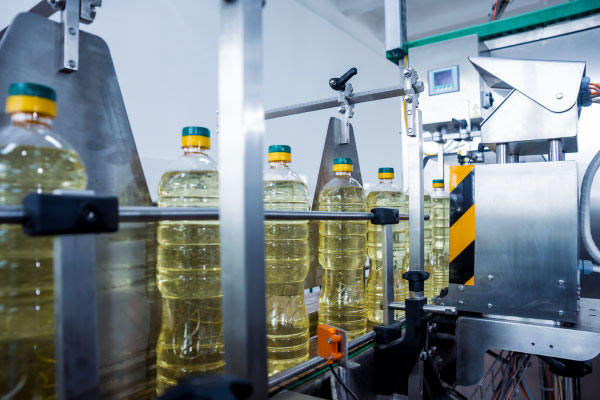
Refine edible oils derived from palm, olive, coconut, and rapeseed sources by removing naturally occurring or processing-related toxins and improving color for a more attractive appearance. A primary objective is the elimination of harmful Polycyclic Aromatic Hydrocarbons (PAHs), especially the carcinogenic Benzo[a]pyrene (BaP), to guarantee the safety and quality of these vital cooking oils.
Soft drinks and Beverages
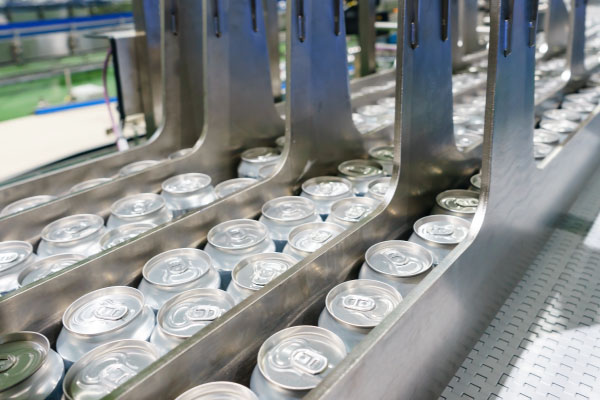
Activated carbon is commonly used by beverage producers—such as those making beer, bottled water, and soft drinks—to treat water. This process ensures the water complies with industry standards and food safety regulations by effectively removing contaminants like chlorine, taste and odor compounds, and other unwanted impurities.
Fruit Juice
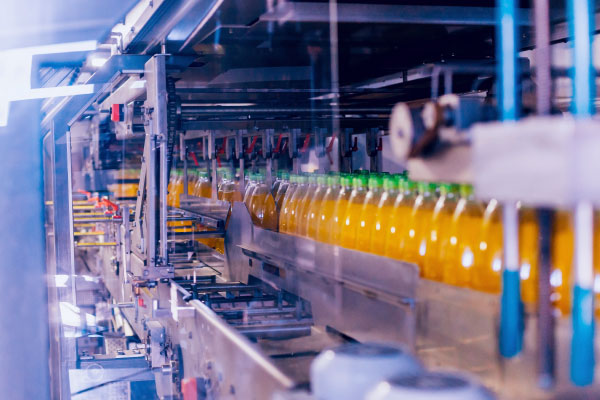
In concentrated fruit juice production, inconsistencies in raw material quality can lead to undesirable substances that affect both taste and appearance. Activated carbon plays a vital role in removing these impurities. By selecting the right grade of activated carbon, producers can significantly enhance the flavor and visual quality of the final juice product.
Beer and Wine
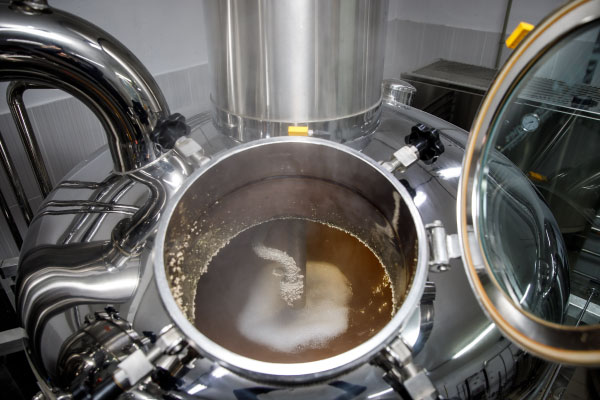
Activated carbon plays a vital role in crafting beer, wine, and spirits by improving overall quality and maintaining uniformity. It is employed to remove chlorine from water during bottling, purify water sources, eliminate undesirable substances, and fine-tune flavor and color profiles. The specific type of activated carbon used varies based on the application: chemically activated carbon is typically utilized for removing color, while steam-activated carbon is preferred for enhancing flavor and odor.
In the wine industry, powdered activated carbon helps strip color from red wines, allowing producers to transform dark grapes into vermouth or white wine. Activated carbon is also crucial in distilling and brewing spirits and beers, where it efficiently extracts acetaldehyde and other unwanted organic impurities. This process refines the beverage’s taste and aroma, ensuring products such as wine, beer, and vodka consistently meet top quality standards.