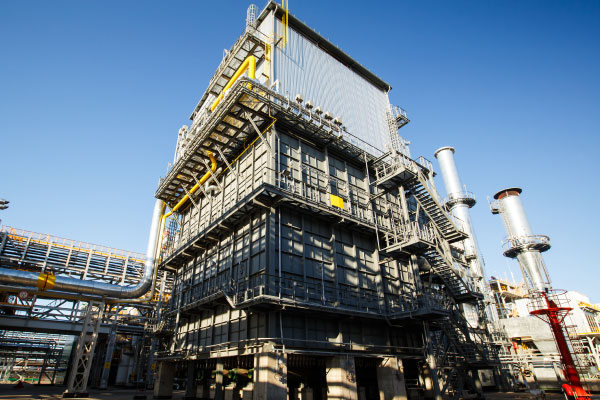
Activated Carbon for Air and Gas Purification
Maintaining clean air is vital for public health, driving industries to meet emission standards and purify their air streams. Activated carbon is a highly effective solution for removing gaseous pollutants like VOCs and sulfur compounds, helping industries improve air quality, comply with regulations, and enhance safety and efficiency.
VOC Removal
Activated carbon is a highly effective solution for addressing air purification challenges. Our broad range of activated carbon products is engineered to adsorb a wide spectrum of volatile organic compounds (VOCs), including BTEX, aliphatic, aromatic, halogenated, and ketone compounds, as well as siloxanes commonly found in biogas and industrial emissions. Available in granular, extruded, and powdered forms, our activated carbon solutions can be customized to meet specific process requirements, offering flexible and efficient methods for mitigating air pollution.
Biogas Purification
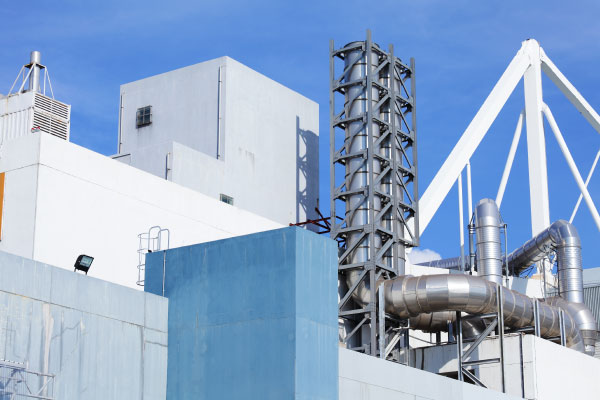
Hydrogen sulfide (H2S) removal is efficiently achieved using activated carbon, which works through both adsorption and chemical reaction processes. Research conducted with fixed-bed adsorption setups highlights that activated carbons made from coal or coconut, enhanced with alkali salts or metal complexes, show superior H2S capture capabilities.
Since sulfur compounds in gas streams can damage catalysts and cause foul odors, their removal is crucial. We offer a specialized lineup of activated carbon products engineered for sulfur elimination in both oxygen-rich and oxygen-poor conditions. These products boast high capacity and, in select cases, allow regeneration directly on-site.
Our portfolio includes tailored activated carbon solutions designed to meet the specific requirements of H2S removal based on the oxygen levels present in the application environment.
Pressure Swing Adsorption (PSA) Systems
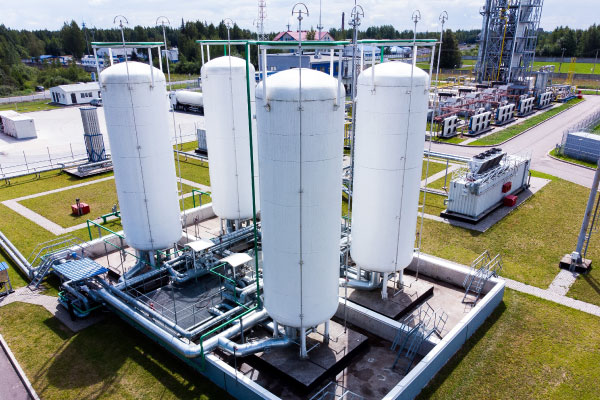
In pressure swing adsorption (PSA) systems, activated carbon plays a crucial role in producing high-purity gases directly on-site, particularly for industries like food processing and petrochemicals. It effectively isolates key gases such as oxygen and hydrogen from air, facilitating local gas generation and assisting applications like methane extraction and carbon dioxide removal. This method improves safety, reduces costs, and allows for easier scalability by minimizing the need for gas transportation and storage.
Flue Gas Treatment / Mercury Removal
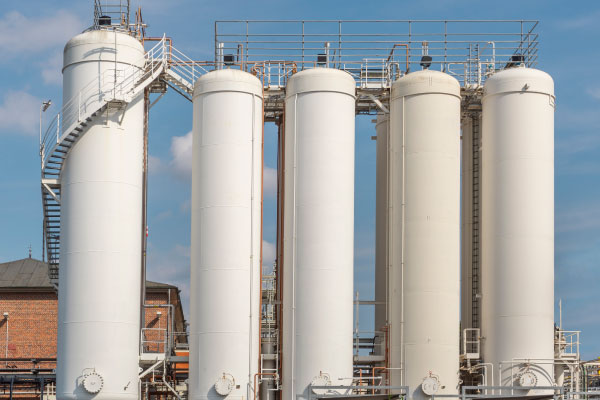
Flue gas produced from the incineration of hazardous waste, medical refuse, and waste-to-energy facilities contains dangerous substances like mercury and dioxins, which pose serious threats to both health and the environment. These hazards require strict controls and reliable treatment methods.
Activated carbon is commonly applied in two ways to address these pollutants: direct injection of treated powdered activated carbon into the flue gas stream to capture contaminants, and fixed-bed filtration where the gas passes through beds filled with sulfur-impregnated activated carbon. The sulfur treatment significantly boosts the carbon’s capacity to adsorb mercury, making it a highly specialized and effective choice for meeting demanding mercury removal standards across various processes.
Acid and Alkali Gases Treatment
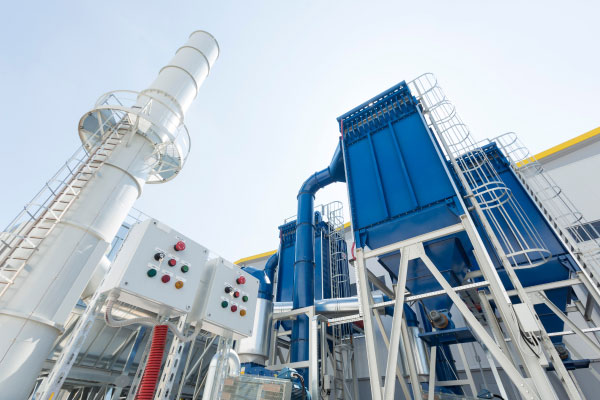
Activated carbon is highly effective at removing acidic and alkaline gases such as H2S, SO2, NH3, and NaOH fumes from air streams. Its extensive surface area and capability for chemical impregnation greatly improve its pollutant adsorption performance. This approach is vital for controlling emissions in industries like wastewater treatment, oil refining, and chemical production.
Reformer Gas Treatment
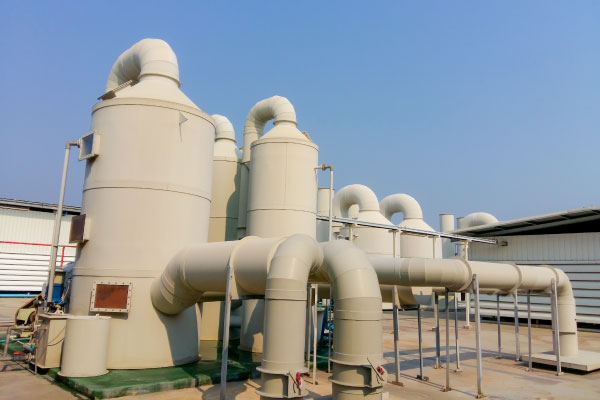
Activated carbon is essential in reformer gas treatment for removing contaminants such as sulfur compounds and mercury. It protects metal catalysts in catalytic reforming units from fouling by both organic and inorganic impurities, extending catalyst durability and optimizing process performance. This leads to cleaner gas output, better refinery efficiency, and adherence to environmental regulations.